
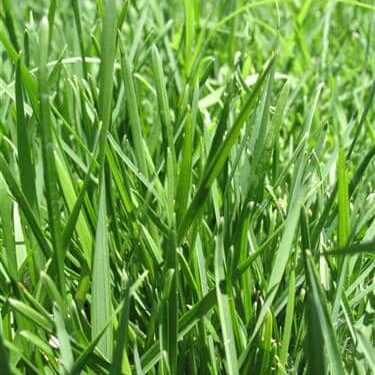
At the Buffalo Brand Seed office, more and more customers come in every day looking to lower their water bills by transitioning to drought-tolerant grasses. While the incentive may be financial in many cases, others stem from Colorado cities that encourage (or even require) landowners to switch to waterwise landscaping. Now more than ever, many landowners are looking to reduce their water use, take advantage of available incentives and manage long-term costs.
Colorado continues to face drought conditions, with long-term water scarcity a major issue. This underscores the importance of efficient water use for landscapers, landowners and others. In response to these concerns, many municipalities, water districts and state agencies are offering turf-replacement incentives, water-use rebates and conservation programs. These programs vary by location, but they can play an essential role in landscape planning decisions.
Luckily, reducing water usage does not automatically mean sacrificing functional, attractive and resilient lawns and ground cover. Whether the goal is maintaining a high-quality lawn, supporting productive cattle grazing or meeting client expectations on a reclamation project, there are multiple drought-tolerant and dryland grass options available.
Understanding available rebates, local city or neighborhood restrictions and long-term water availability is essential to making informed landscaping decisions that reduce inputs, remain compliant and protect land productivity. At Buffalo Brand Seed, we work with both native and non-native species to help customers choose options that fit their goals, site conditions and water access. By addressing common misconceptions and evaluating options, our team is prepared to assist with selecting drought-tolerant grasses for your unique situation.
Colorado Senate Bill 24-005
In 2024, Colorado passed Senate Bill 24-005 to reduce unnecessary water use in certain applications.
Included in this bill:
- Local governments may not allow the installation of non-functional turf, artificial turf or invasive plant species on:
- Commercial, institutional or industrial properties
- Common interest community properties
- Street rights-of-way, parking lots, medians and transportation corridors
- The same restrictions apply for state facility construction or renovation projects
- Artificial turf on athletic fields is exempt from these prohibitions
SB 24-005 is designed to limit unnecessary water use. It does not mandate a singular landscaping approach or eliminate all non-native plant species. Functional turf, native grasses, and many adapted, non-invasive introduced species remain appropriate options depending on site use and performance needs. Understanding this legislation can help guide grass selection and long-term planning.
Understanding Drought Tolerance
In many cases, the term "drought-tolerant" is taken to be interchangeable with "native." While many Colorado native species are well-adapted to the High Plains region, there are plenty of non-native grasses that have been used responsibly for decades to conserve water, stabilize soil and provide dependable ground cover. The distinction between introduced and invasive species is important in this context, as not all introduced species are considered invasive in Colorado. Alternatively, drought tolerance is influenced by several practical factors, including:
- Root depth and structure
- Growth habit and dormancy response
- Establishment method and timing
- Long-term management (mowing height, irrigation practices and fertility)
Turf Options for Lower Water Use
1. Improved Kentucky Bluegrass
Kentucky Bluegrass is often labelled as the king of high-maintenance, water-thirsty grasses, but this reputation does not reflect modern breeding advancements. Improved, high-quality bluegrass varieties, such as those sold at Buffalo Brand Seed, are selected for:
- Improved drought tolerance
- Deeper root systems
- Better recovery after stress
- More efficient water use
Under proper management practices, improved bluegrass can use less water than older, common varieties while still providing the color, softness and density that many homeowners prefer. In many cases, upgrading bluegrass varieties can reduce water use without requiring a switch to alternative turf options.
Recommended Products: Buffalo Brand All-Blue Blend, Buffalo Brand Supreme Lawn, Buffalo Brand Economy Lawn Mix
2. Fine Fescues
Fine fescues, such as Chewings Fescue, Creeping Red Fescue, Hard Fescue and Sheep Fescue are among the most water-efficient options available in the Colorado/High Plains region.
Benefits Include:
- Excellent drought tolerance once established
- Slower growth and reduced mowing
- Strong performance in low-input systems
Well-suited to:
- Low-traffic lawns
- Shaded or partially shaded areas
- Naturalized landscapes
Recommended Products: Buffalo Brand Low Maintenance Turf Mix, Buffalo Brand Low Grow Mix
3. Turf-Type Tall Fescue
Turf-type tall fescues offer a balance between durability and water efficiency. With moderate to coarse leaf texture, these hardy, durable grasses have excellent tolerance to heat and foot traffic as well as infrequent or minimal watering.
Benefits Include:
- Deeper root system than many other turf grasses
- Improved heat and drought tolerance
- Better color retention under limited irrigation
Recommended Products: Emerald III Tall Fescue Blend, Buffalo Brand Dura-Turf Plus
4. Native Turf Options
Native grasses such as buffalograss and blue grama are popular choices for homeowners looking to transition to a native lawn, particularly where local ordinances or water incentives apply.
Benefits Include:
- Extremely low water requirements once established
- Minimal fertilizer needs
- Excellent long-term persistence
Considerations Include:
- Slower establishment
- Seasonal dormancy
- Higher upfront cost
- Lower tolerance for heavy traffic
These species are best suited to landowners who prioritize a very low-maintenance lawn solution over a traditional lawn appearance or low initial inputs.
Recommended Products: Buffalo Brand Native Turf Mix, Buffalograss
5. Training an Existing Lawn to Use Less Water
In many cases, replacing an existing lawn is not the only option. Other water-saving strategies include:
- Gradually reducing irrigation frequency
- Mowing higher to encourage deeper roots
- Allowing turf to enter natural dormancy during peak heat
- Overseeding with more drought-tolerant varieties
Small adjustments over time can significantly reduce water use.
Recommended Products: Buffalo Brand Economy Lawn Mix, Buffalo Brand Dura-Turf Plus
Beyond Turf
Water-efficient grass solutions extend beyond residential lawns:
Reclamation & Erosion Control
For disturbed sites, roadside and other reclamation projects, drought-tolerant grasses provide:
- Soil stabilization
- Reduced erosion
- Long-term ground cover with minimal inputs
Both native and non-native species can be used depending on site conditions and project requirements.
Recommended Products: Buffalo Brand Foothills Mix, Buffalo Brand Dryland Pasture Mix, Buffalo Brand Western Native Mix, Buffalo Brand Ultimate Color Mix
Dryland Pastures & Forage Systems
When utilizing a dryland pasture for livestock forage, water efficiency directly affects long-term productivity. Drought-tolerant forage grasses can:
- Maintain ground cover during dry years
- Reduce the need for re-seeding
- Support grazing systems with limited rainfall
Species selection can vary based on soil type, grazing pressure, and management goals
Recommended Products: Buffalo Brand Dryland Pasture Mix, Buffalo Brand Saline/Alkali Mix, Buffalo Brand Shortgrass Mix, Buffalo Brand Sandy Soil Mix
General Ground Cover & Low-Input Areas
For areas where function takes priority over aesthetics, plenty of drought-tolerant grasses and Colorado-native wildflowers offer reliable coverage with reduced maintenance, mowing and irrigation requirements.
Recommended Products: Buffalo Brand Low Grow Mix, Buffalo Brand Ultimate Color Mix, Buffalo Brand Dryland Pasture Mix, Buffalo Brand Shortgrass Mix, Dryland Wildflower Mix
Reducing water use can be done in several ways. From transitioning to fine fescues to selecting improved bluegrass or planting native turf, there are plenty of options.
At Buffalo Brand Seed, our team is available to help landowners and landscapers navigate these choices with High Plains region-appropriate seed and practical guidance. If water efficiency is a priority for your project, contact us at 970-356-4710 or [email protected] to assist you in selecting a solution that works for your land and budget.

